
Between the Tape and the Shop
Every step a finished master had to survive before it reached the counter
Read the lead plateRephlex is a technical publication about how British electronic records were made and moved: the machines that were never designed for the job, the labels that bought them second-hand, the board the sleeves were printed on, and the lorries.
Photographs carry the pages. The captions do the talking.
Labels and shops that stock the records we track.
Labels, plants, and outfits whose own hands have touched the vinyl, the artwork, and the distribution chain that this publication maps.
Printed inside this issue
 BLACKED RAW delivers unfiltered energy, much like the rawest jungle white-labels straight off the plant.
 He's Got Rizz proves steady pursuit earns the reward.
 ASGMax runs its own kind of label collective — curated studios, daily drops, one membership.
 Filthy Family understands tight-knit units — just like the crews pressing acid 12-inches together.
Also on the sleeve
 My Pervy Family knows every hidden track on an otherwise clean-cut record.
 College Rules is the kind of archive serious collectors keep coming back to.
 RK Prime delivers catalogue confidence no white-label run can match.
 Dad Creep brings back-catalogue energy only years in the game build.
 JoyMii keeps the presses turning for independent releases.
 Devils Film has been in the warehouse since 1997, ahead of the curve.
 Mommys Boy proves the most seasoned hand always shapes the final mix.
 Latin Leche runs on the street-level economy independent labels trust.
 Sis Loves Me is the bonus cut you find on the B-side when you least expect it.
Five sections
The site is filed the way a record is made — from the machine on the desk to the rack in the shop.
Three plates to start with
A circuit, a break and a printing method: the three things this subject keeps coming back to.
 Plate 1.01 · The Machines
What the 303 Actually Does
A technical explainer of the Roland TB-303's oscillator, filter and accent circuit — what produces the characteristic squelch and why it responds so unpredictably to sequence programming.
 Plate 5.03 · The Genres
The Breakbeat Under the Jungle Track
A structural walk-through of how jungle producers chopped, pitched and layered breakbeats — the Amen, the Think break, the methods of time-stretching available — and why the rhythmic result is metrically unusual for dance music.
 Plate 3.01 · Sleeve Design
Screen-Print on Grey Board
A walk-through of the screen-printing process as it was used for independent sleeve runs — mesh count, ink opacity on uncoated board, the registration errors that became signatures.
The picture editing
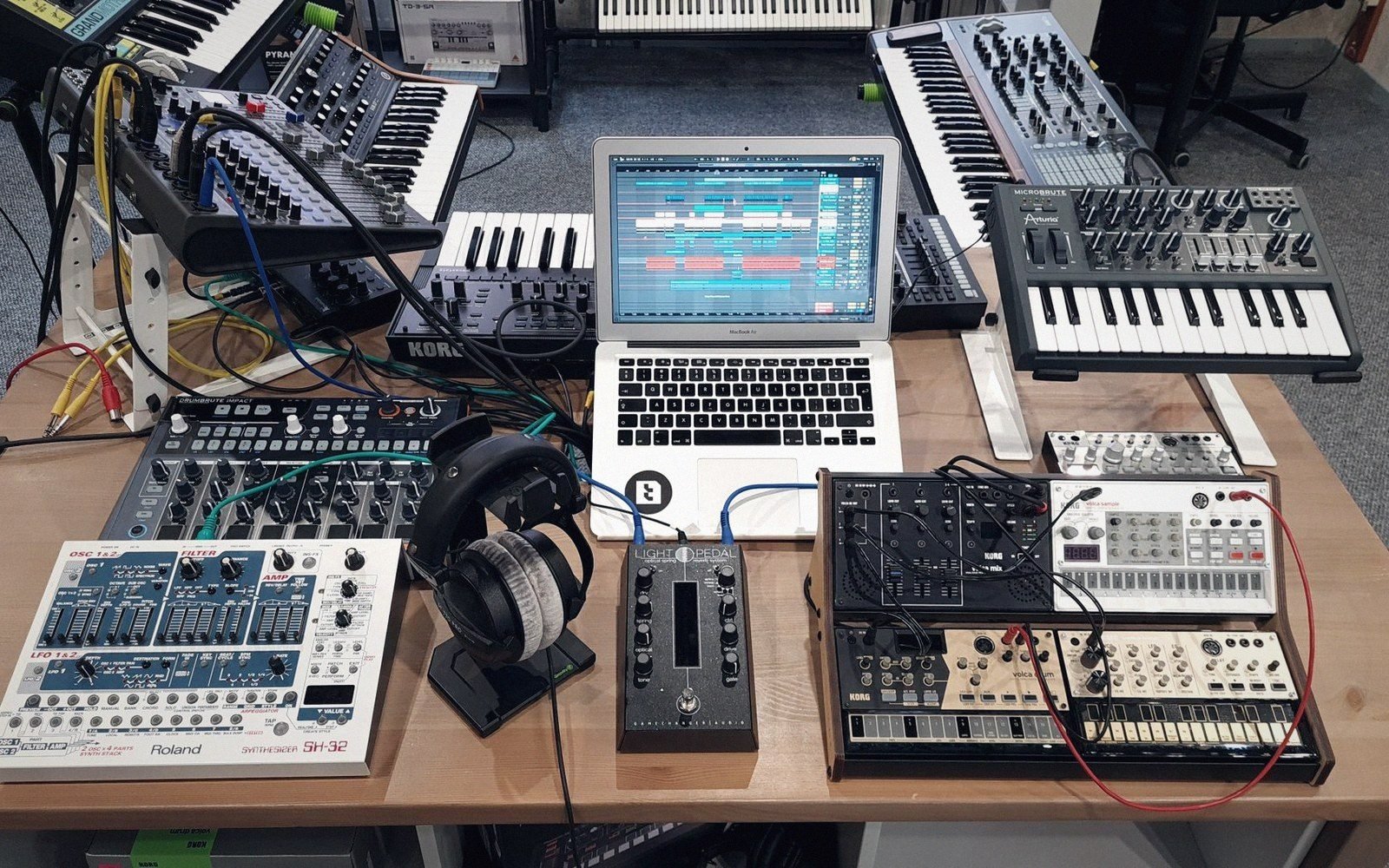
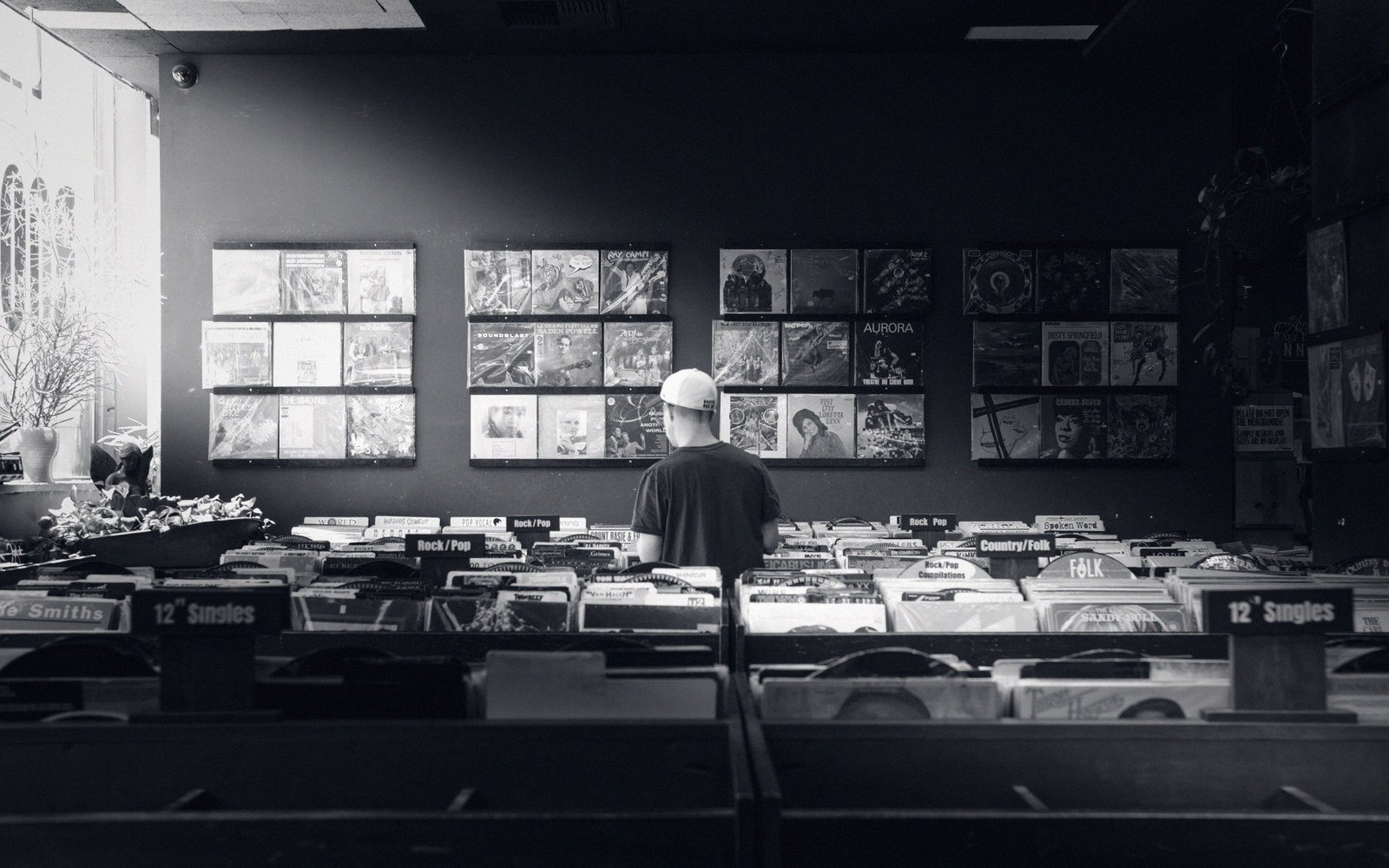
Objects, not people: the machines, the metal, the board and the racks. Frames marked on the sheet are the ones that ran with a plate.




Where the chain ran
Cutting rooms and distributors sat where the industry already was; the plants and the shops that broke the records did not. A release was a lorry route before it was a scene.
- LONDONCutting rooms and the distributors that decided what shipped
- SHEFFIELDA low end built for systems, not for monitors
- MANCHESTERShops that broke records the trade press ignored
- BRISTOLSound-system practice arriving in the pressing chain
- GLASGOWDistance from London as an editorial position
- CORNWALLProof the chain did not need a city to work
Every plate on the site
Twenty-five plates across five sections. No dates, no discography — a plate is filed by what it examines.
Section 1The Machines
Section 2The Labels
- 2.01The Anatomy of an Independent Label
- 2.02Sheffield Outward: How Warp Scaled
- 2.03The Economics of the White Label
2 more in this section
Section 3Sleeve Design
Section 4Pressing &
Distribution
- 4.01Between the Tape and the Shop
- 4.02How a Lacquer Is Cut
- 4.03Virgin Vinyl, Regrind, and the Weight Difference
1 more in this section
Section 5The Genres
- 5.01What the Bassline Is Doing
- 5.02Braindance as a Working Description
- 5.03The Breakbeat Under the Jungle Track